




The Changing Nature of Workplace Learning
According to a report by Deloitte, 84% of executives consider workplace learning an important or a very important issue. They also found that almost all CEOs report that their companies need to develop skills more quickly. This highlights just how important learning is to today’s workforce. Although the demand for continuous learning may be coming from both employees and employers, it is the employees who should be taking the driving seat on their own learning.
Where is the demand for continuous workplace learning coming from?
Increased competition
It seems that both employees and employers are seeking more and more from each other. In the increasingly competitive talent market, companies that don’t constantly upgrade employee skills will not be able to compete and achieve on their objectives. Workplace learning opportunities can engage employees, attract the right talent and develop leaders who will stay with the company. Leaders are needed at all levels of the organisation, from CEO level to people just entering the organisation, as shop attendants in a grocery/supermarket chain for example. People are required to be more flexible and adaptable at work.
Availability of technology
With the evolution of technology and the widespread availability of online courses and degrees, employees are demanding more of their employers in terms of continuous learning at work. People can learn anywhere and from different devices, and this is creating new expectations from the workplace. According to E-Learning Industry, it’s predicted that by 2018 70% of professionals will do some kind of work from their mobile devices. Research has even shown that over 50% of employees have participated in mLearning while lying in bed, something which would never have been possible before. People are expecting to learn in their jobs now, as opposed to just working a 9-5 and clocking down the hours. They want more from their jobs and they expect to get it.
Expectation of Millennials
Younger employees entering the workforce are particularly eager to learn. They’re coming from college and recognising the importance of continuous professional development and workplace learning. As Deloitte put it, “the learning curve is the earning curve”. They want to be flexible and to work on developing their skills. If their employer doesn’t offer them this opportunity they will very often keep looking until they find one that does. This is because they recognise the advantage continuous learners will have over them if they do not develop their own skills. They know that if they don’t, they are putting themselves at a disadvantage.
What can employers do to encourage and promote learning in the workplace?
1. Let employees take the lead on what they want to learn and develop.
Employees are the learners and should be able to take control over what they learn. Don’t take a “one-size-fits-all” approach. Tailor the learning towards the individual. The employees know what interests them, what skills they need to develop or work on, and what would most benefit their job skill-set.
2. Make the most of available technology.

3. Develop a clear vision for learning and implement a development plan.
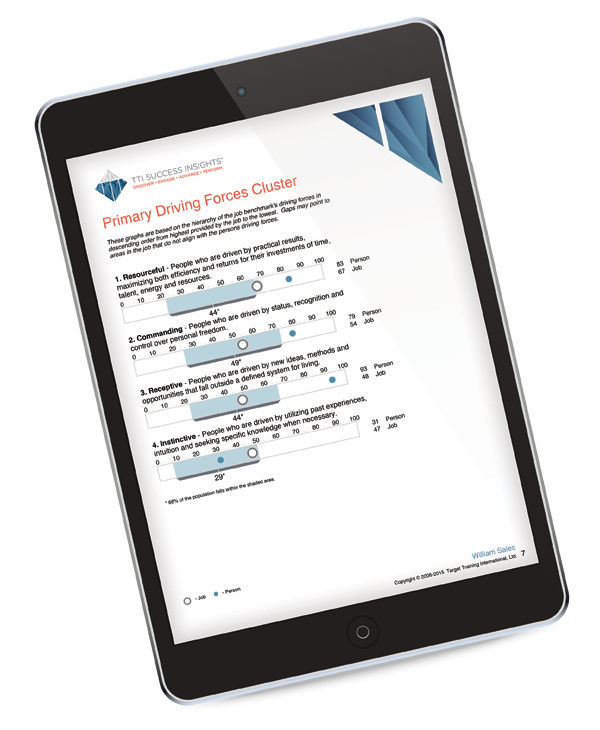
TTI Success Insights have created a Talent Management Model called DEAP: Discover, Engage, Advance and Perform. We believe that learning is all about Advancing – about developing, upskilling and training your employees and executives. Existing employees can have latent talents that they don’t get to use on a daily basis. But when you advance their career and focus on bringing out new talents you will find that employees become more engaged and motivated. This gives you a succession plan with a pool of high potential people who are ready to move into leadership roles or are ready for training and coaching.

Diplomacy and Tact- 10 Signposts to the Leadership High Road
I want you to pause for a moment and ask yourself a tough question? Are you a Leader who possesses the skills of tact and diplomacy? Are you the type of person who treats others fairly, in a sensitive and effective way?

10 Powerful Tips to Negotiate Effectively as a Leader
Negotiation a really important leadership skill because we need to optimise our relationships inside our organisation, with our customers or vendors. We do this by developing the ability to explore and to identify what everybody wants and by creating new solutions that satisfy everybody’s interests so it’s not compromise, it’s really what we call synergism- where the whole is greater than the sum of it’s parts.

The remarkable life- How to live by your values.
Articulating your values #1 As part of our planning process we spend a lot of time working on operating principles or values. Somebody asked me the other day to share some of my values with them and I thought it might be useful to do an Insight on it. I want to...