





Work Motivation: Where does it come from?
Week one on the job. Everyone works hard, right? Motivation is high, morale is flying, the new employee is excited about the new opportunity and the change of scenery. But the initial burst of work motivation doesn’t last. Three months down the line and this same person is sluggish and grumbling about how someone keeps stealing their favourite mug.
According to an article by Psychology Today, the average person spends about 90,000 hours of their lives at work. It’s so important then that you sit down and try to figure out what motivates and drives you. Keep looking for your passion. As Steve Jobs said in his famous Stanford speech: ‘The only way to do great work is to love what you do. If you haven’t found it yet, keep looking. Don’t settle’. Ask yourself how the job contributes to your passions and if you would do the job even if you were not paid. If you enjoy and can find purpose in what you do, the work motivation will come.

So what can employers do to foster work motivation? It turns out that money isn’t actually the most effective motivator, despite what people may think. According to Delivering Happiness, psychologist Edward Deci carried out an experiment in the 1970’s which showed how students who were not offered money to solve puzzles were more likely to stick with them longer than students who were given money as an incentive. Money is an extrinsic motivator – i.e. one which comes from outside oneself – but the motivation and drive that came from the students who weren’t paid is a classic example of inner, intrinsic motivation. This is the motivation that lasts. So where does the motivation come from? Here are my thoughts:
1 Job fit is key for work motivation
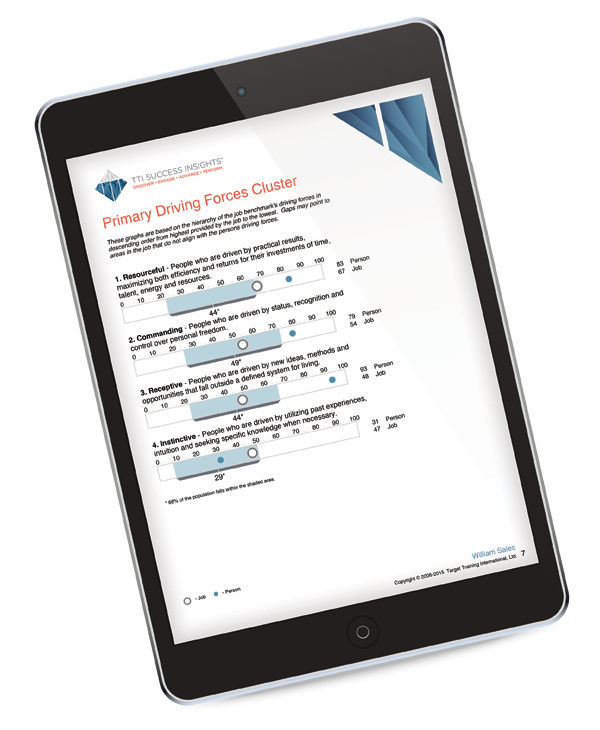
Firstly, make sure the right person is in the right seat doing the right job. Easier said than done, but it makes a huge difference. If you have an employee who can’t stand sitting at a desk the chances are it won’t work out for very long. Make sure the person is suited to the work they’re doing, that the job matches their driving forces, behavioural styles and career aspirations.
2 Success breeds motivation
Once the job fit is good, the work motivation comes from success and from doing interesting work. If the person is setting and meeting clearly defined goals, the motivation will come. But if the job fit is wrong, the person will be working towards the goals and they will be unsuccessful and become demotivated. At the very least it will be stressful and hard. So make a clear plan, line up your dominos and start to knock them down one by one.
3 Support autonomy
Nobody likes to have someone breathing down their neck. Give people space to do things the way they’d like to do it, and give them some freedom over how they order their work. In this day and age this is hugely important. Let them take ownership of their work and get on with it.

4 Encourage progress
When we’re learning something new, like learning to play the violin, we can easily get frustrated as we see how much we have to learn. It’s the same in a work context. We need to encourage our employees to strive for progress and to recognise the things they do well. Dan Pink, in his book, Drive (check out this great review), talks about using Goldilocks tasks in the workplace. These are tasks that are neither too easy that the employee gets bored and restless, nor too difficult that he feels demotivated and discouraged. Tasks should be clearly defined, understood and agreed, and the person should be held accountable to deliver them. Rewards can be great, but they should be appropriate and aligned with achieving the goals and targets.

5 Feedback
Feedback is really, really important for work motivation. People need to be told the good the bad and the ugly. I’ve always had the view that people should be able to write their own cheques – which means that they should know what success looks like. If a person has to wait for a performance review to know whether they’re doing a good job or not it’s going to lead to stress and frustration. You have to be able to measure yourself and know whether or not you’re doing a good job.
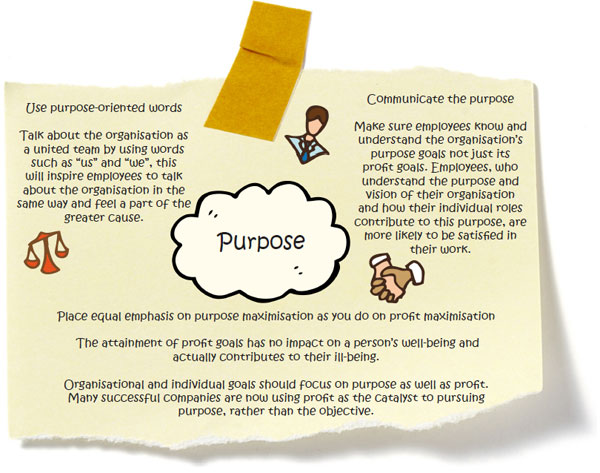
6 Find purpose
If people can see why they’re doing the things they do at work, it can really help to get the energy and confidence needed to carry out the job well. Harvard professor Rosabeth Moss Kanter found that the happiest people she knows are those that work on projects that make a difference in the lives of others. She tells the story of how a new general manager of the Daimler Benz company in South Africa managed to drastically improve the productivity of workers by asking them to manufacture a car for Nelson Mandela who was just released from prison. Whereas previously the employees were pulling sickies and making a lot of mistakes in their work, the pride and sense of achievement from making Mandela’s car brought them a newfound higher level of performance. People who are bored at work can find motivation from finding the ‘why’ or purpose of their job.

What is the best leadership development programme in Ireland? The Complete Leader
Understanding yourself is the first step on the leadership journey. One thing I’ve always noticed about great leaders is that they are skilled at managing themselves and their relationships with others. Understand that if you’re the kind of person who leans forward all the time, don’t let yourself stop thinking about the future. Because if you do, you will fall on your face.

The two leadership qualities that will make you or break you
Problem solving and decision making are two essential leadership qualities which are associated with how leaders are clear thinkers. In this week’s blog we look at why these skills are important and how you can develop them to become a more complete leader.

7 easy ways to improve your futuristic thinking skills
When people have new, original and out-there ideas they are so often surrounded by small-minded people who poo-poo their visions. As Henry Ford reportedly said, “If I had asked people what they wanted, they would have said faster horses”. Futuristic thinkers can imagine and predict changes that others don’t see. They look beyond current circumstances and realities and envision their lives the way they’d like them to turn out.
FREE DISC Assessment: Find out what your behaviours really are!
Have you ever taken a DISC Assessment? Actually… Have you ever taken a TTI DISC Assessment? Well why wait any longer, lets find out why you really behave the way you do!